A Peepli Project
Nature Without Borders
By Kalyan Varma · 2015
A Peepli Project
By Kalyan Varma · 2015
For rural India, sharing space with wildlife is second nature. But as development gets fast-tracked, the delicate, value-based balance of man and nature is tilting; coexistence is giving way to conflict. This year-long project explores the complex inter-relationships between Man and Nature.
Read the Project Introduction →
My engagement with Nature began with a fascination for wildlife and with remote areas far from the chaos of the city. This led me, almost exactly two decades ago, to the BR Hills in Karnataka, and since then I have criss-crossed India exploring, learning, documenting, photographing and filming.
My search for 'wild' places and virgin forests led to two life-changing experiences. The first was when I met communities leading lives that seemed so much a part of Nature; these people had hearts as giving as Nature itself. Living in and off the forests was Second Nature to them; they had been co-existing in the wilds for centuries. The second discovery — more of a gradual realisation — was that Nature is part of us, and we are an integral part of nature. We are not two distinct entities.
Nature does not know that it is supposed to exist only within a designated National Park or a Wildlife Reserve. Nature is everywhere; it surrounds us, it is amidst us, and it knows no borders.
I realised over time that while the setting aside of Protected Areas was probably done with good intentions and backed by science with the intention of conserving nature while promoting 'development', a delicate connection was severed as a result. Fault lines have widened, conflicts escalated, harmony shattered — perhaps for ever.
A decade after that first trip to the BR Hills I am setting out again, with a more open mind, to explore those areas where man and nature are in closest contact. Through this series, I document the different kinds of human-animal relations and the conflicts that arise between the various players — those who wish to conserve biodiversity, those charged with enforcing these values, and those who must live alongside oftentimes dangerous animals.
Elephant conflict across India
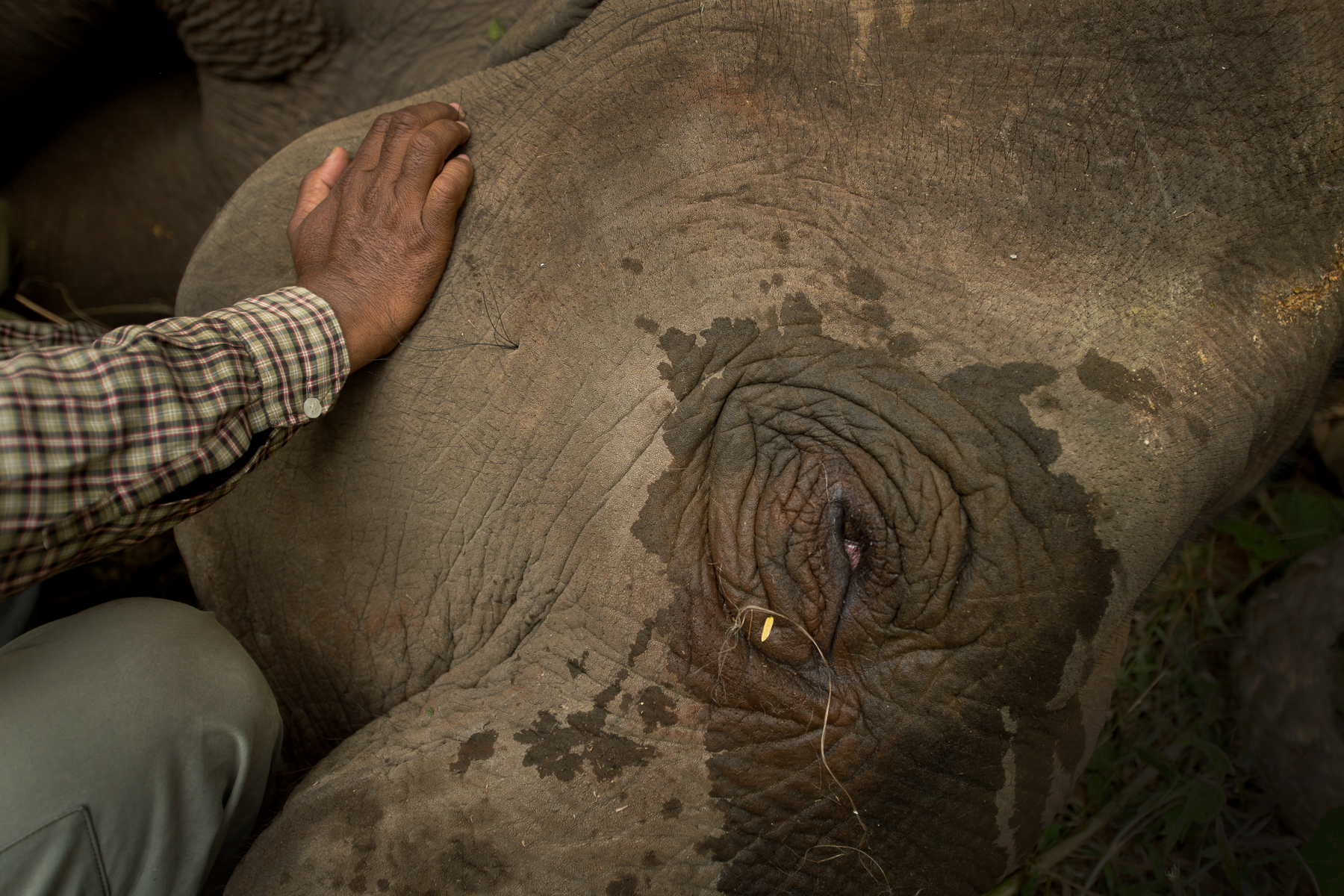
We share a complex relationship with elephants. We love them, we treat them with the tolerant fondness reserved for family, we worship them as manifestations of our most universal god. When these gods-made-flesh raid our fields, destroy our homes and take our lives, we react with bewilderment. We are reluctant to avenge ourselves, but we seem to have no choice. This duality manifests over a wide geography, from the Western Ghats to northeastern India – a vast battleground in which the clashing interests of people and elephants and officials and NGOs collide. In this series, I will report from this conflict zone where wins and losses are measured in lives lost and taken.
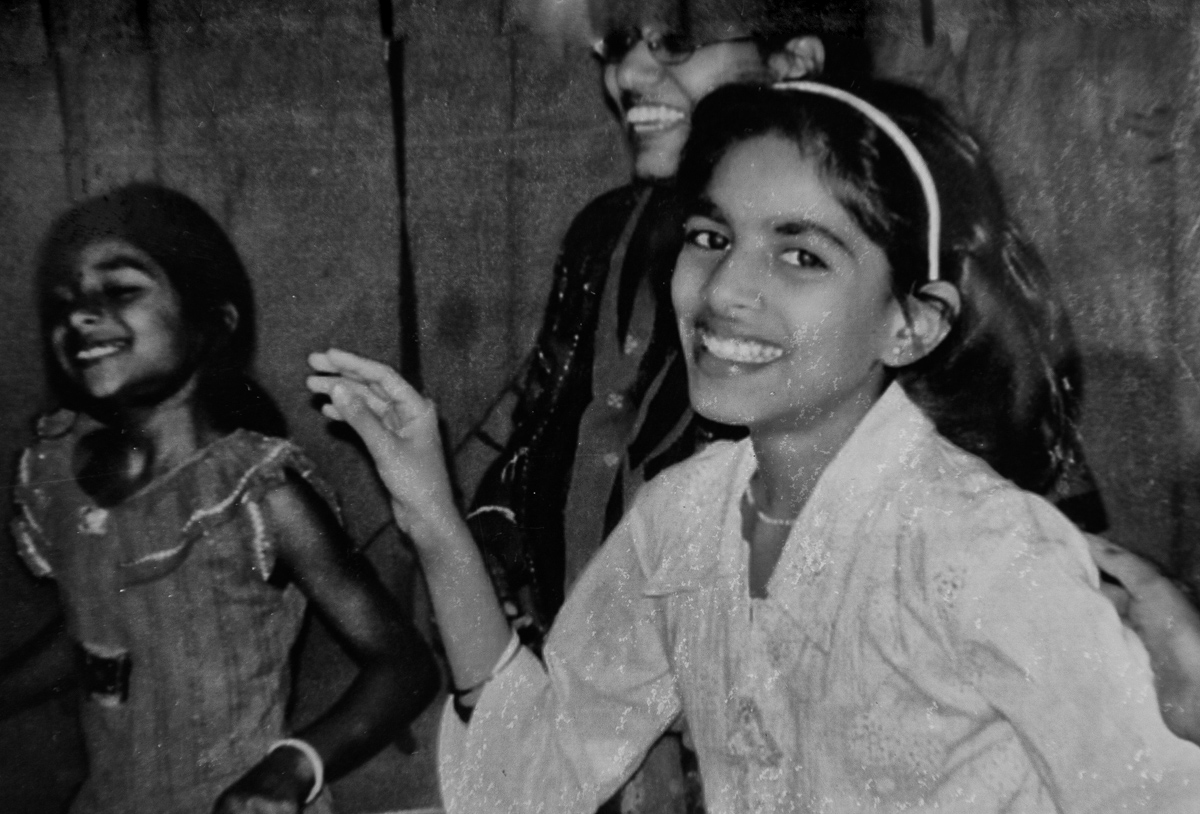
A schoolgirl's encounter with a wild elephant — and the lives that intersect in a landscape where forest meets farmland.
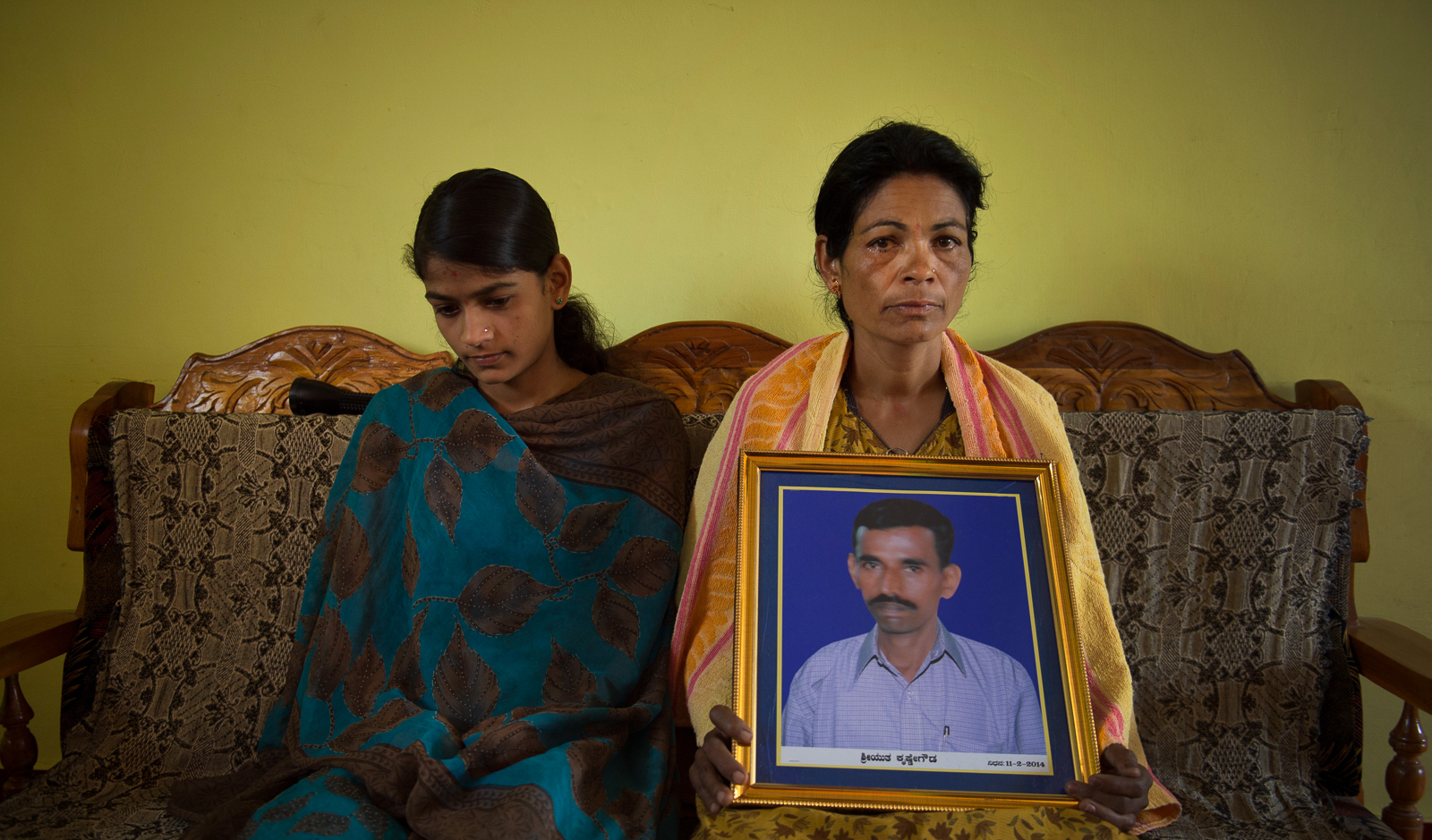
Karnataka's farms and forests locked in confrontation — as elephant herds push deeper into human territory every season.
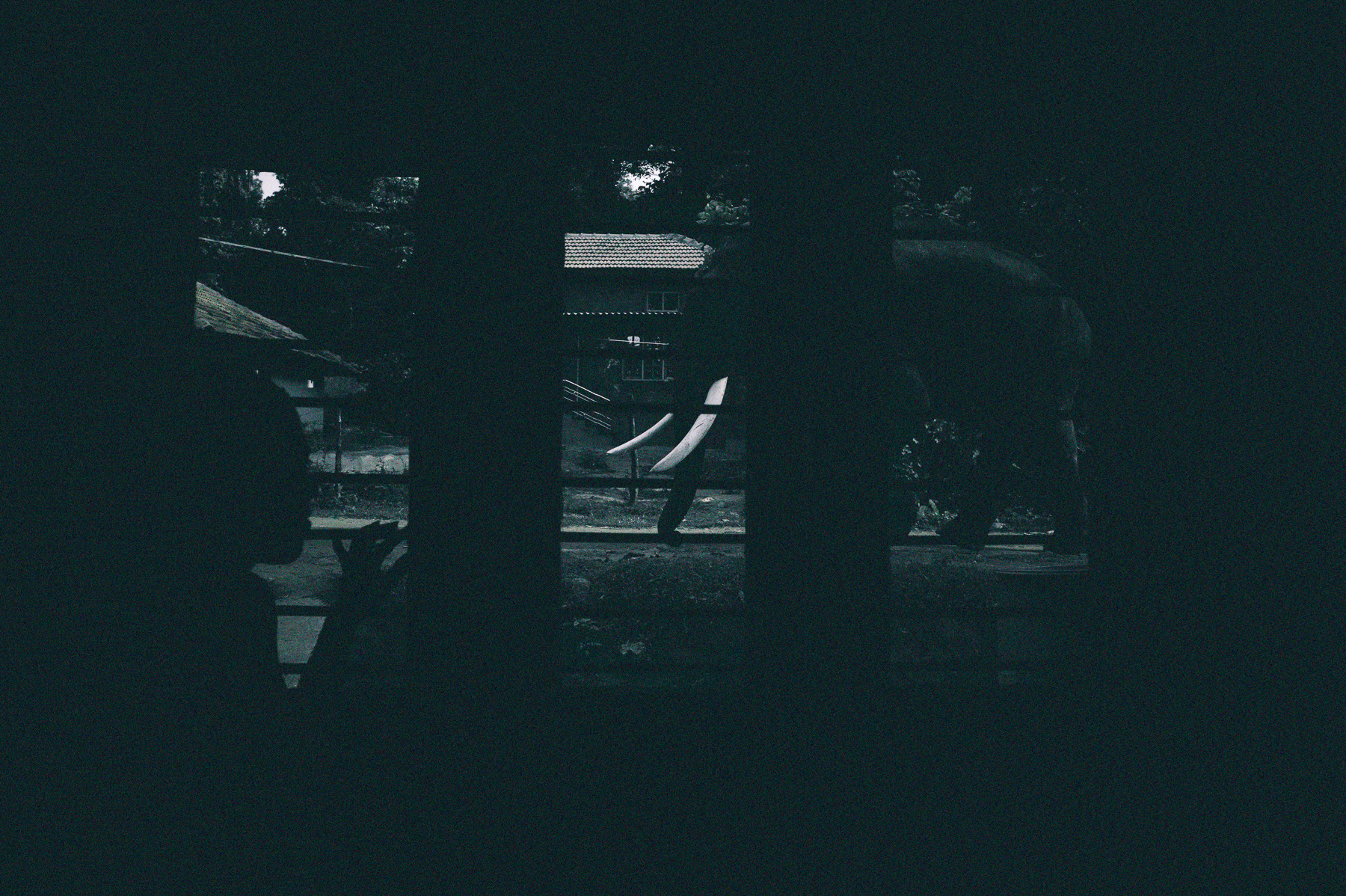
In Hassan district, conflict has escalated to a breaking point. What happens when a task force tries to find a solution?
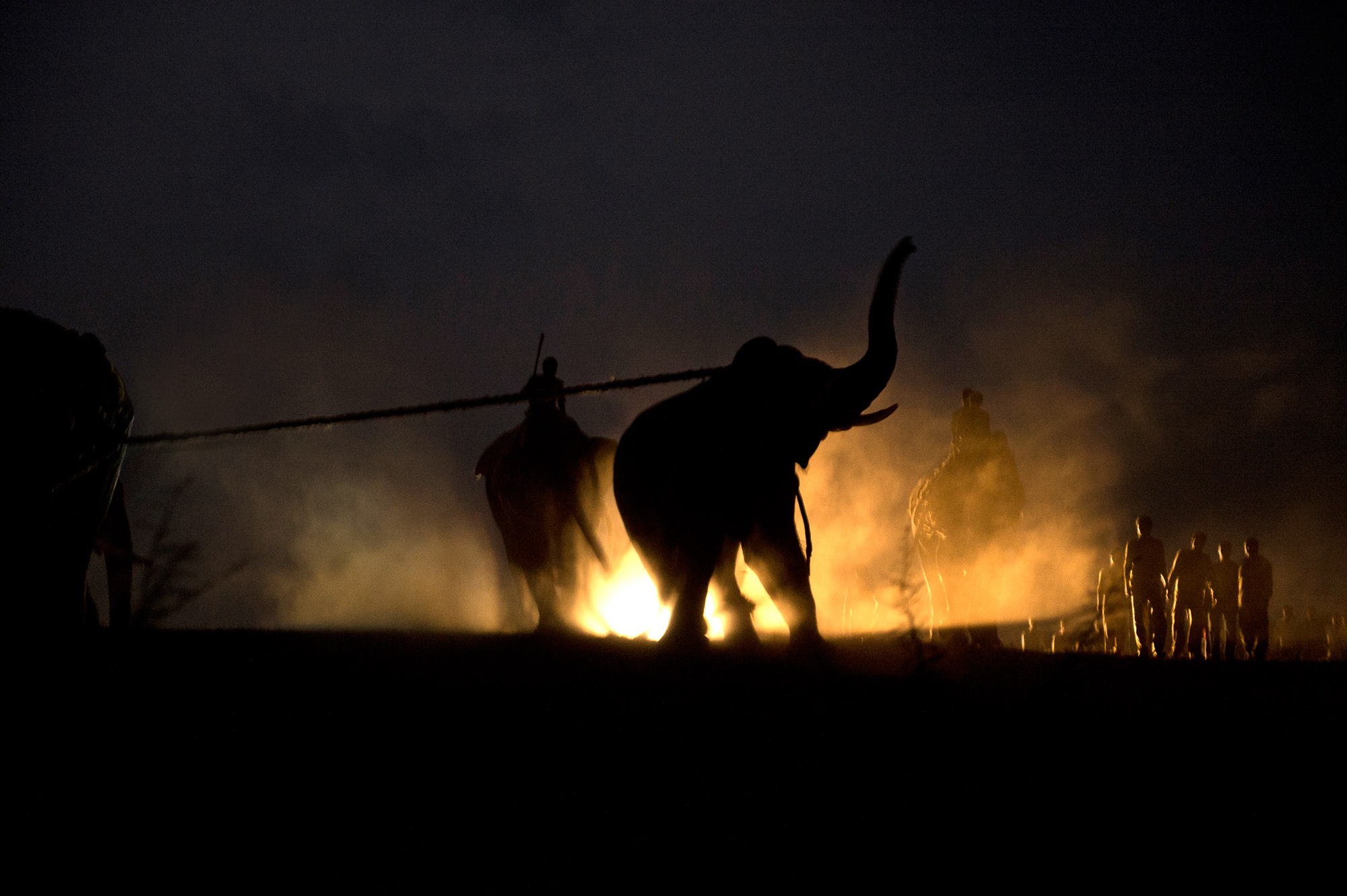
A rare, close look at the operations conducted to capture and relocate wild elephants — and the ethical questions they raise.
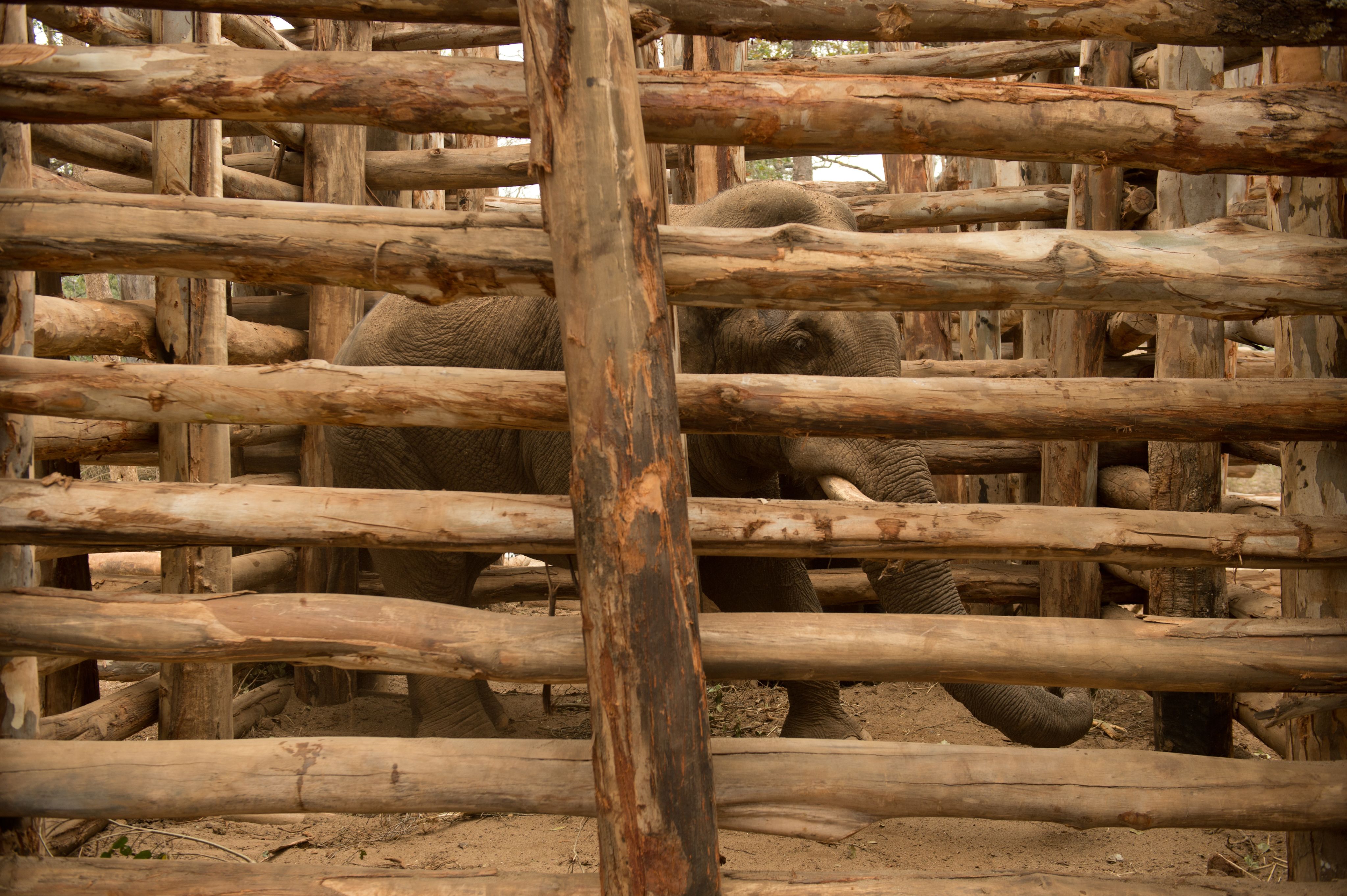
Five tame elephants, one wild tusker, and the unexpected moments of tenderness that emerge in the middle of a conflict zone.
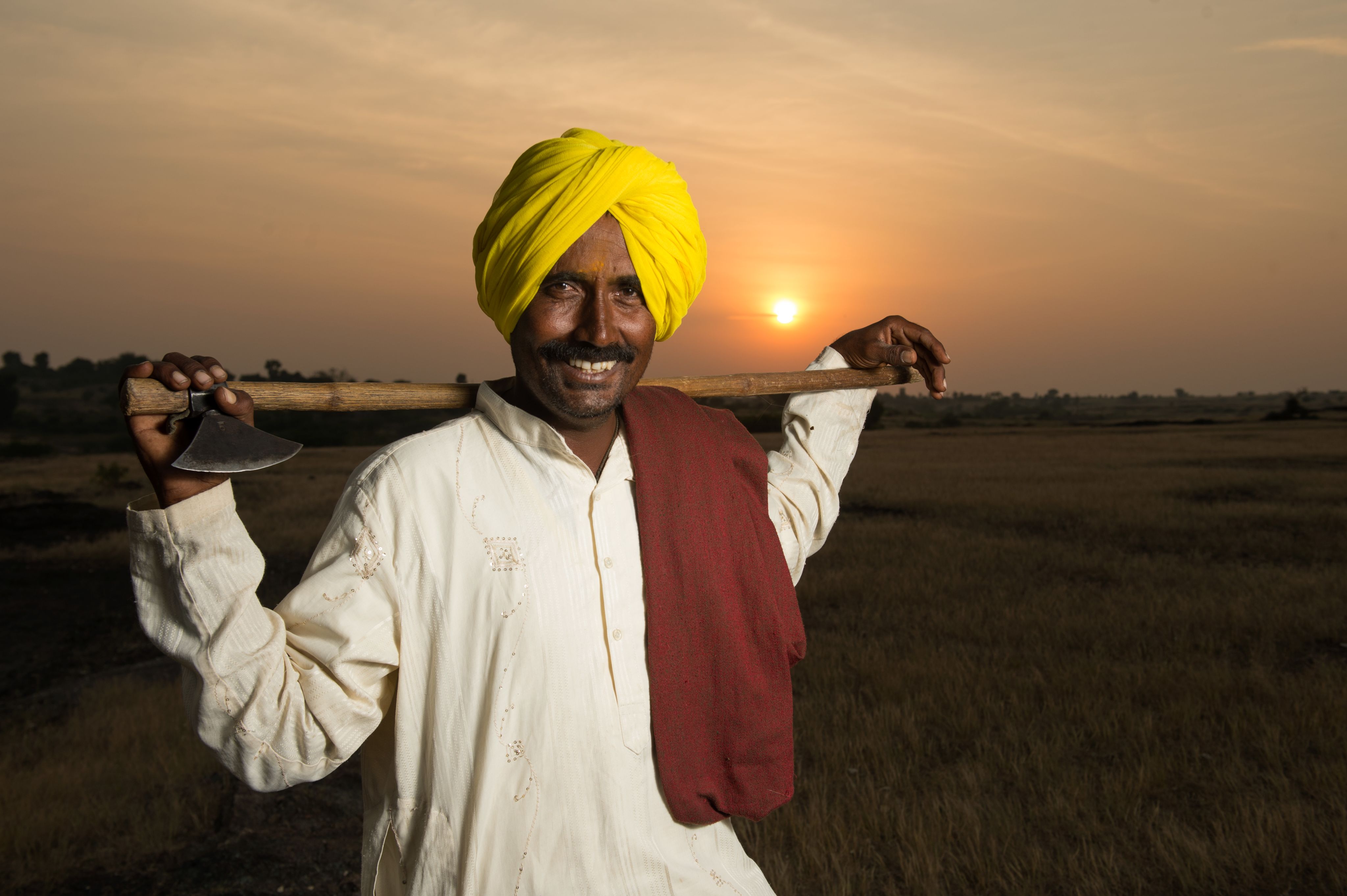
At Alur, the captured elephants enter the long, contested process of taming — a practice as complex as the conflict itself.
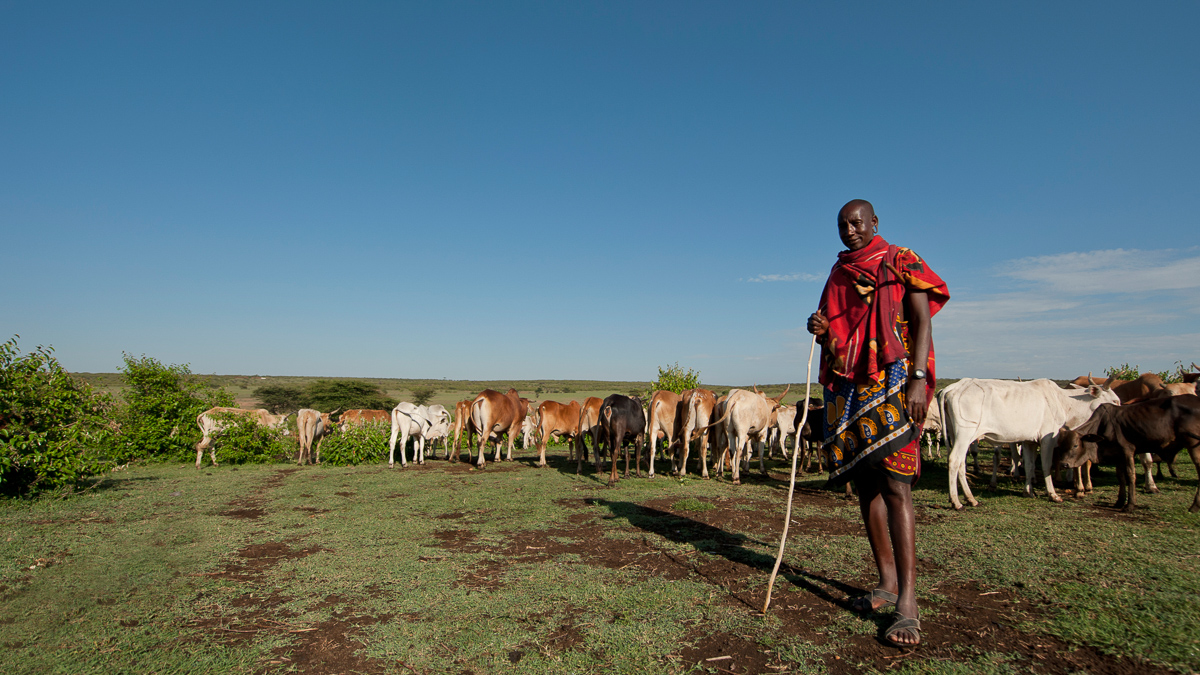
Nomadic pastoralists and the grasslands they keep alive
In this series, I migrate with one of the last nomadic pastoralists in India, documenting their way of life and in the process better understand how we can save our last grasslands and the wildlife and people that depend on it.
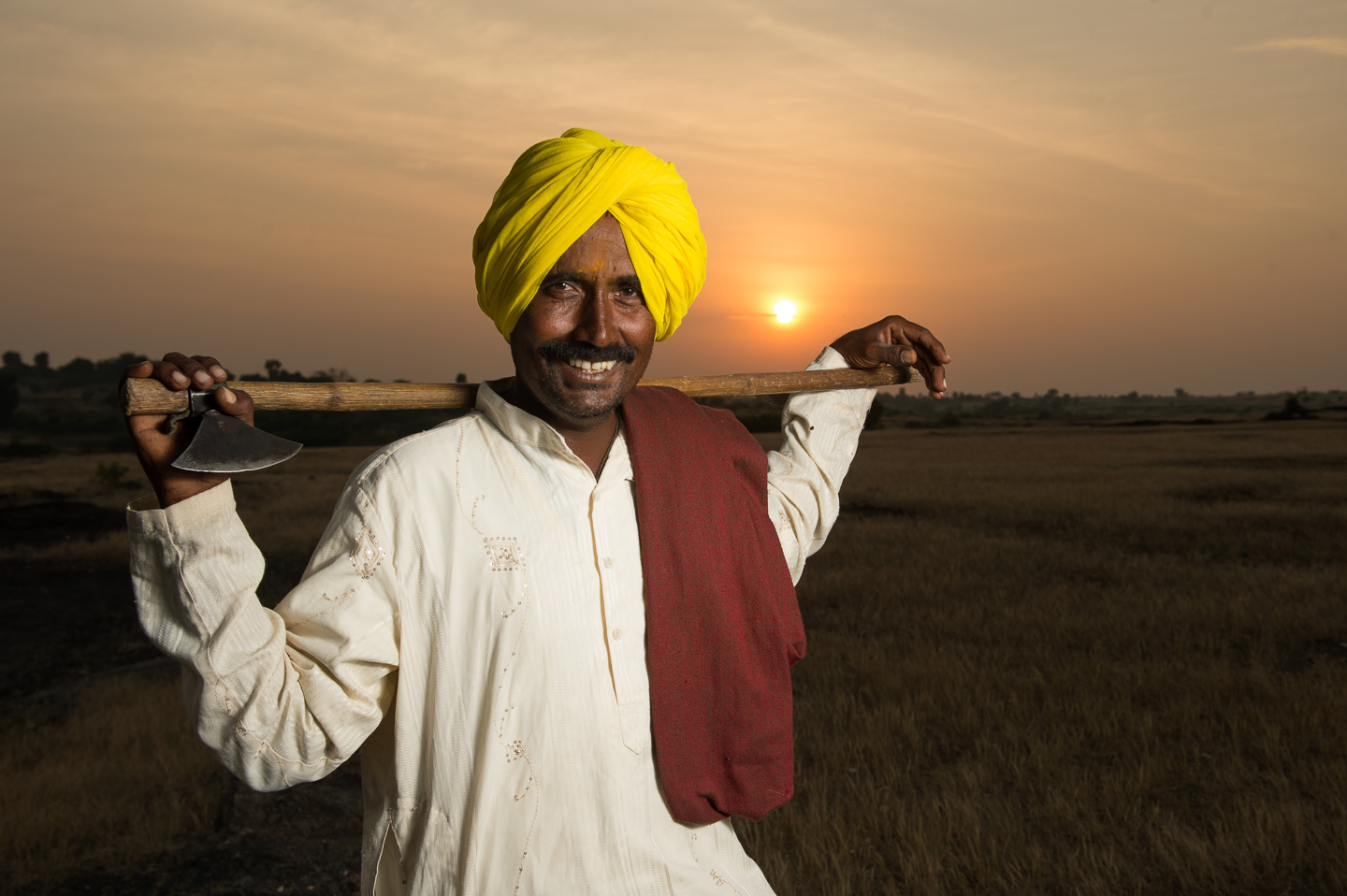
A thousand-year Dhangar tradition of following the monsoon rains with 50,000 animals — and what it teaches us about coexistence.
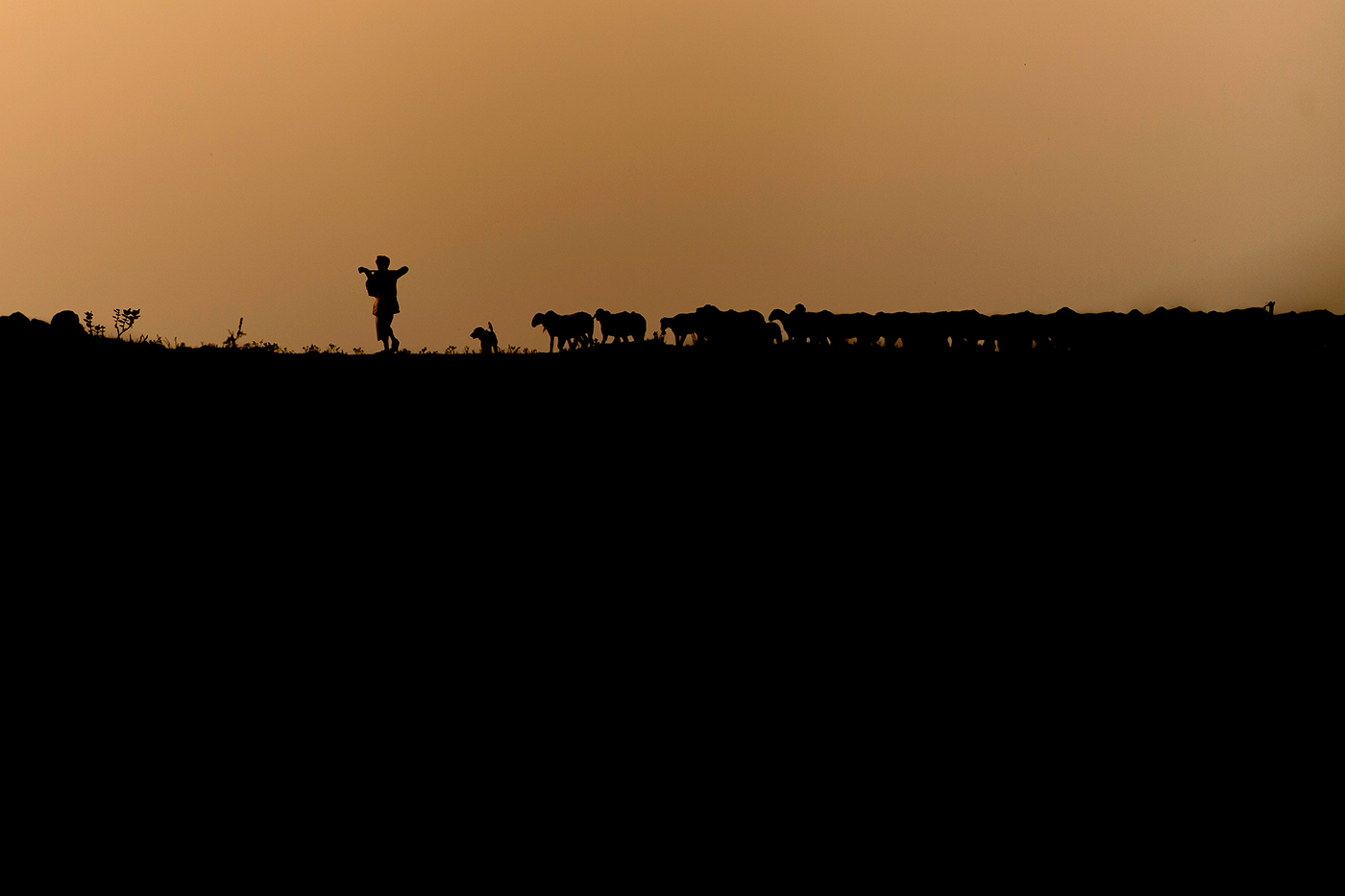
1,000 kilometres, twice a year. The Dhangars' circular migration across central India — and the changing landscapes they navigate.
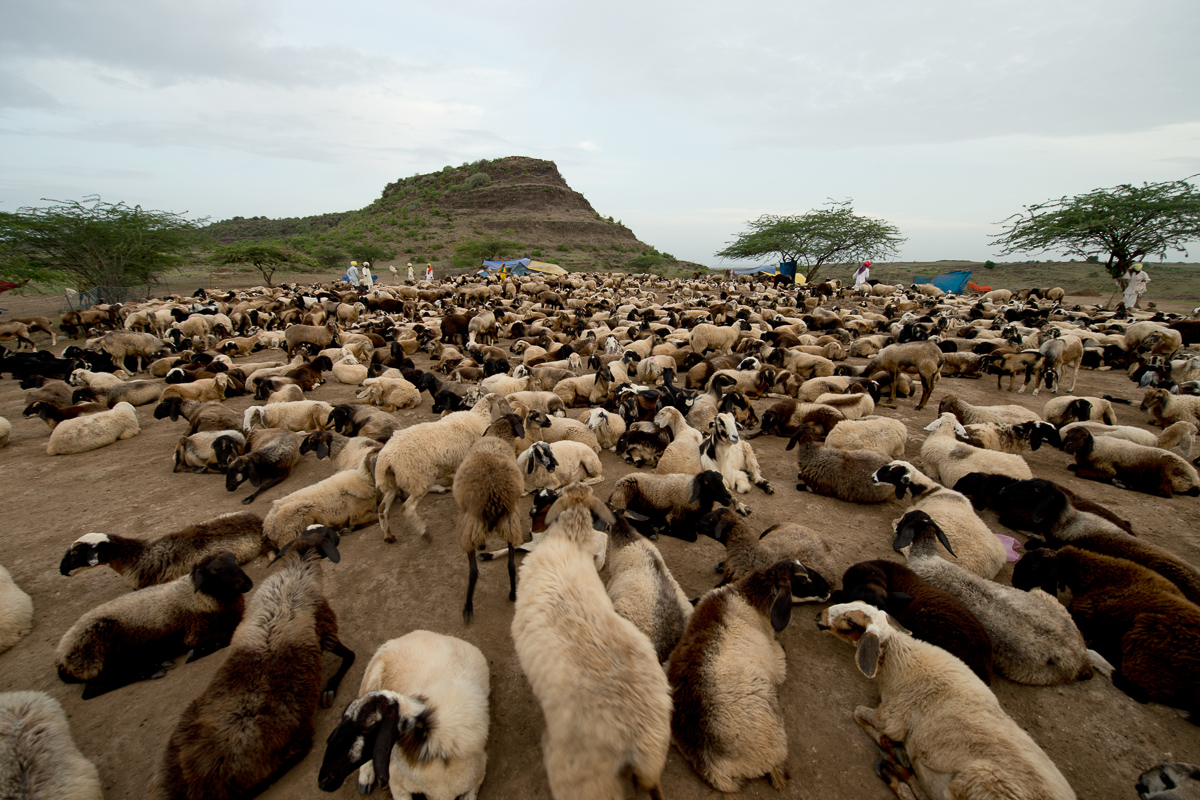
In a place without cash, sheep become the currency. A look at the informal economy that sustains a nomadic community.
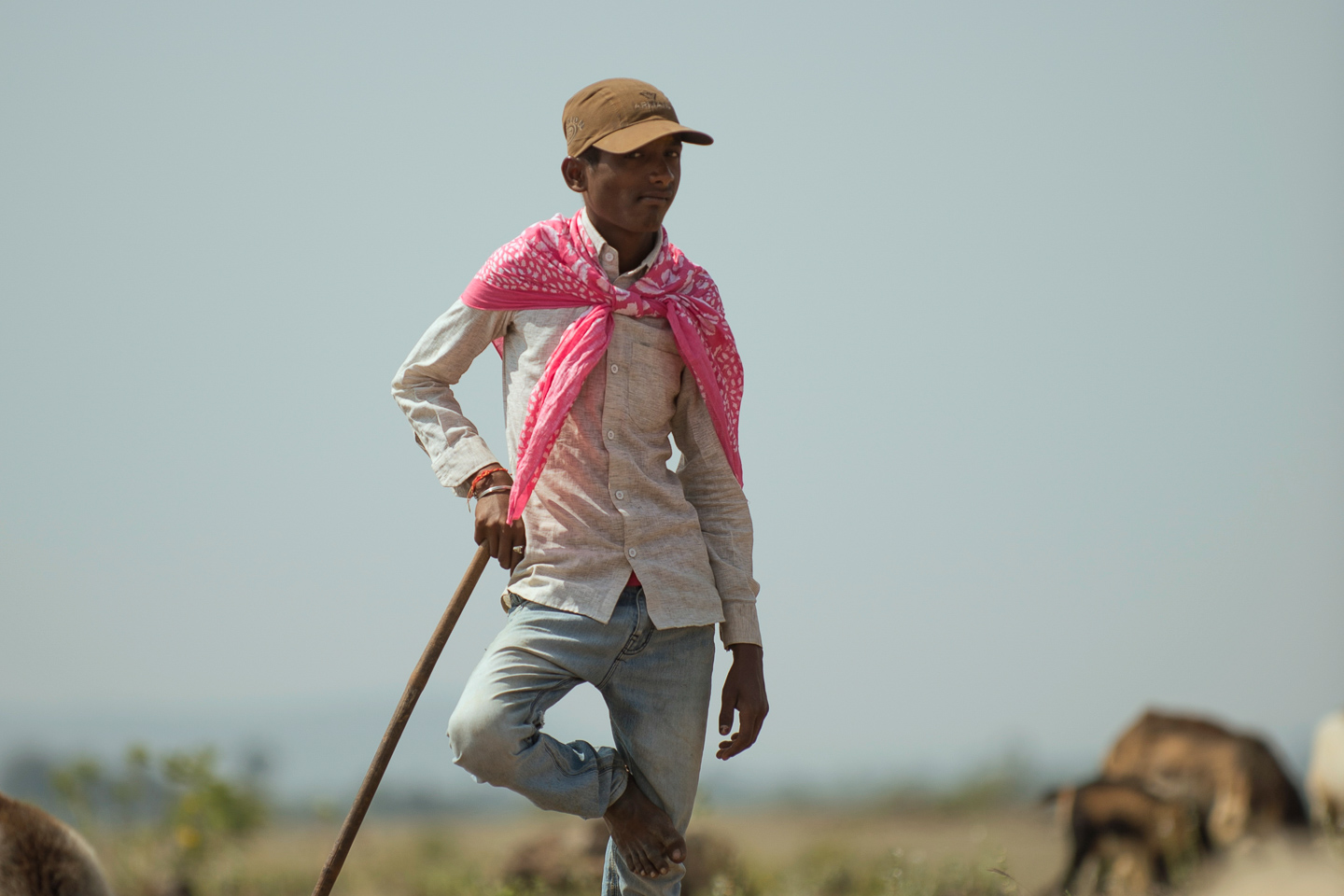
Education was supposed to be a ladder out. But for nomadic children, it has created a generation caught between two worlds.
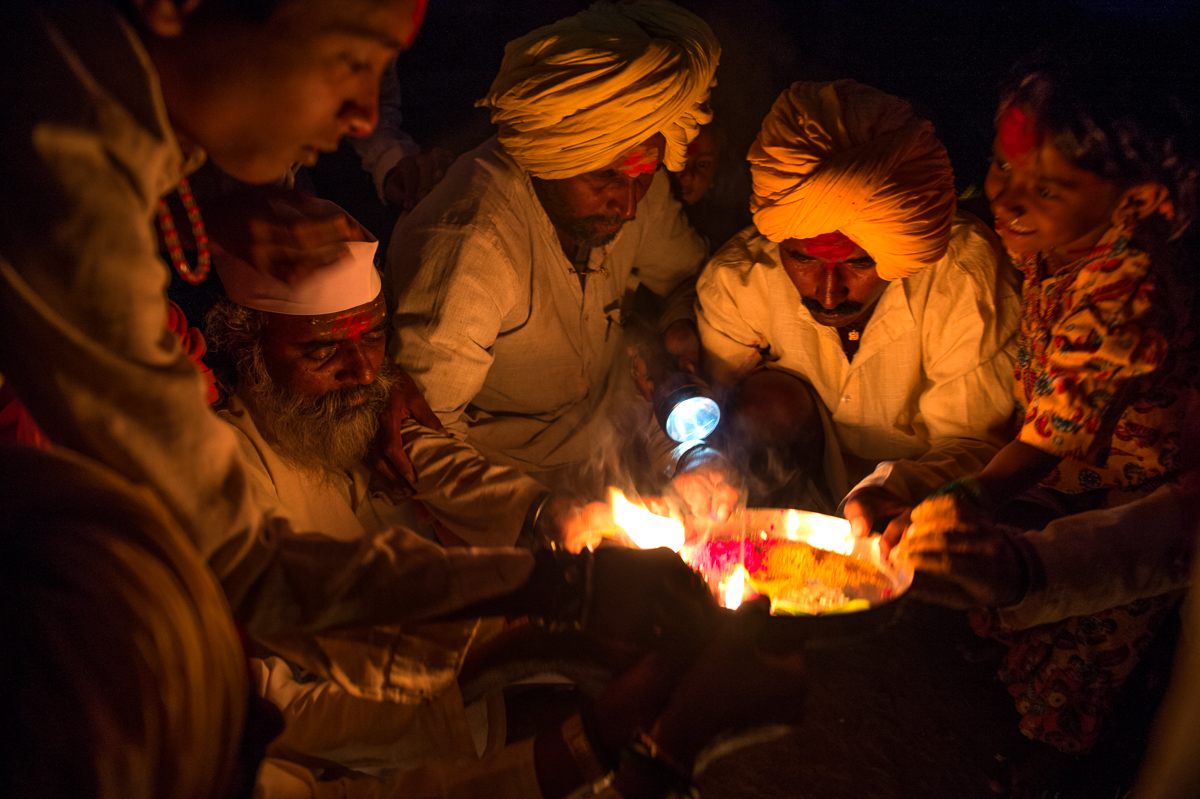
An ancient song that celebrates the bond between wolves and shepherds — a relationship as old as the grasslands themselves.
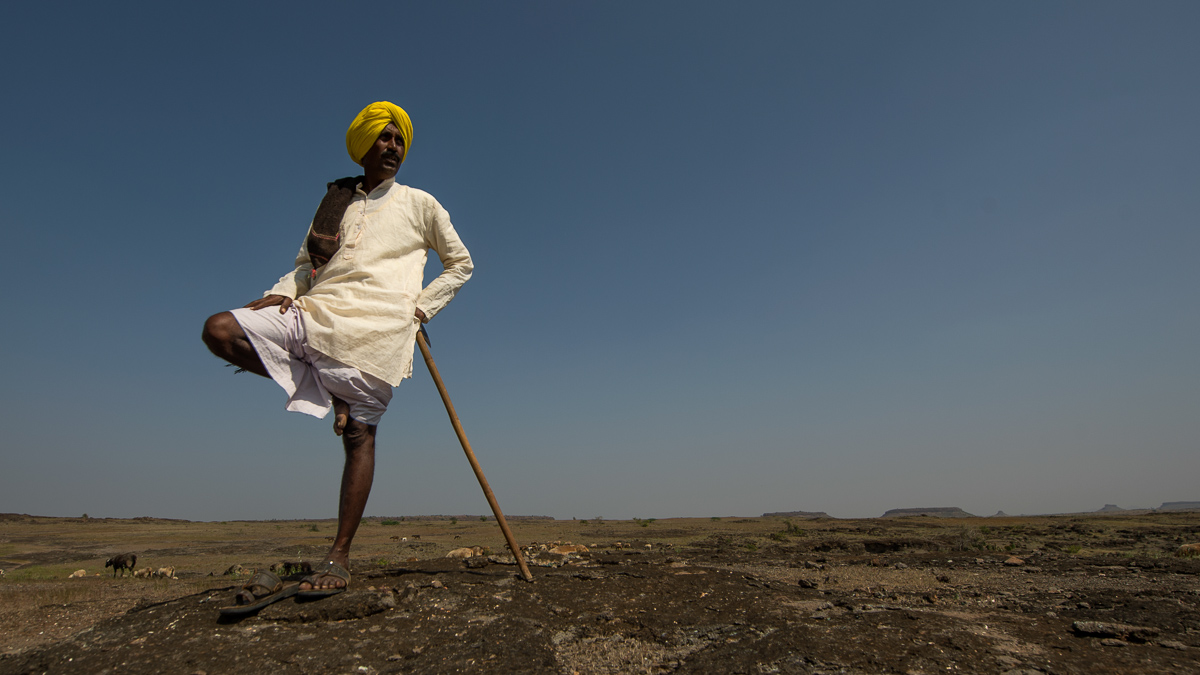
The wolf is feared, revered, and essential. Among the Dhangars, the predator that takes their sheep is also what holds the ecology together.