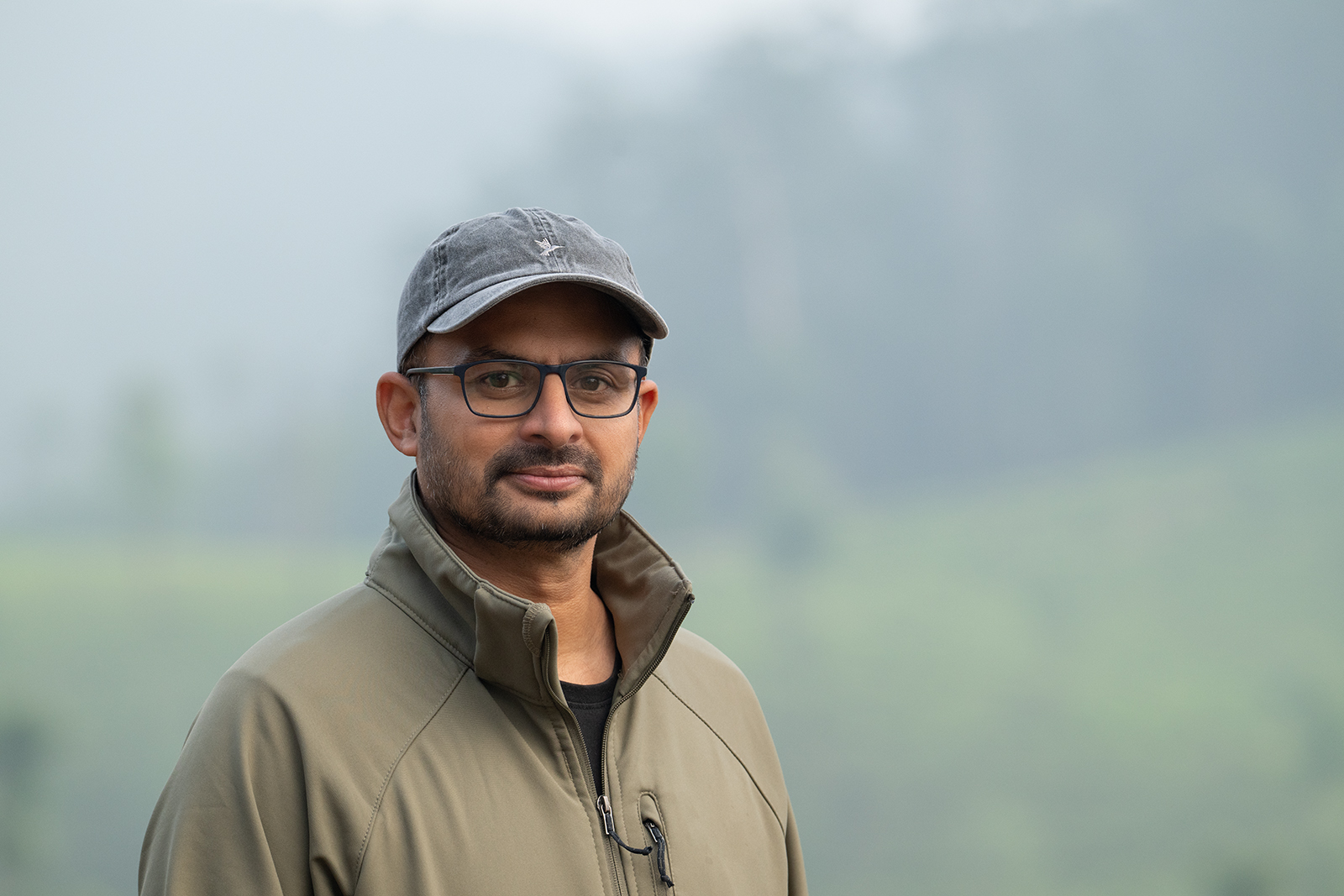
I didn't begin my journey in the forests. I began it in code.
In the early years of my career, I was a software engineer — working on large-scale systems, security, and cryptography. I was part of a generation shaped by the open-source movement: the idea that knowledge should be shared freely, that communities could build remarkable things together, and that access mattered as much as innovation.
I spent years contributing to and advocating for open systems, involved in early efforts to bring Linux and free software to more people across India. That phase of my life shaped how I see the world even today. When you remove barriers, you unlock creativity at scale.
But while I was immersed in technology, something else was pulling me away.
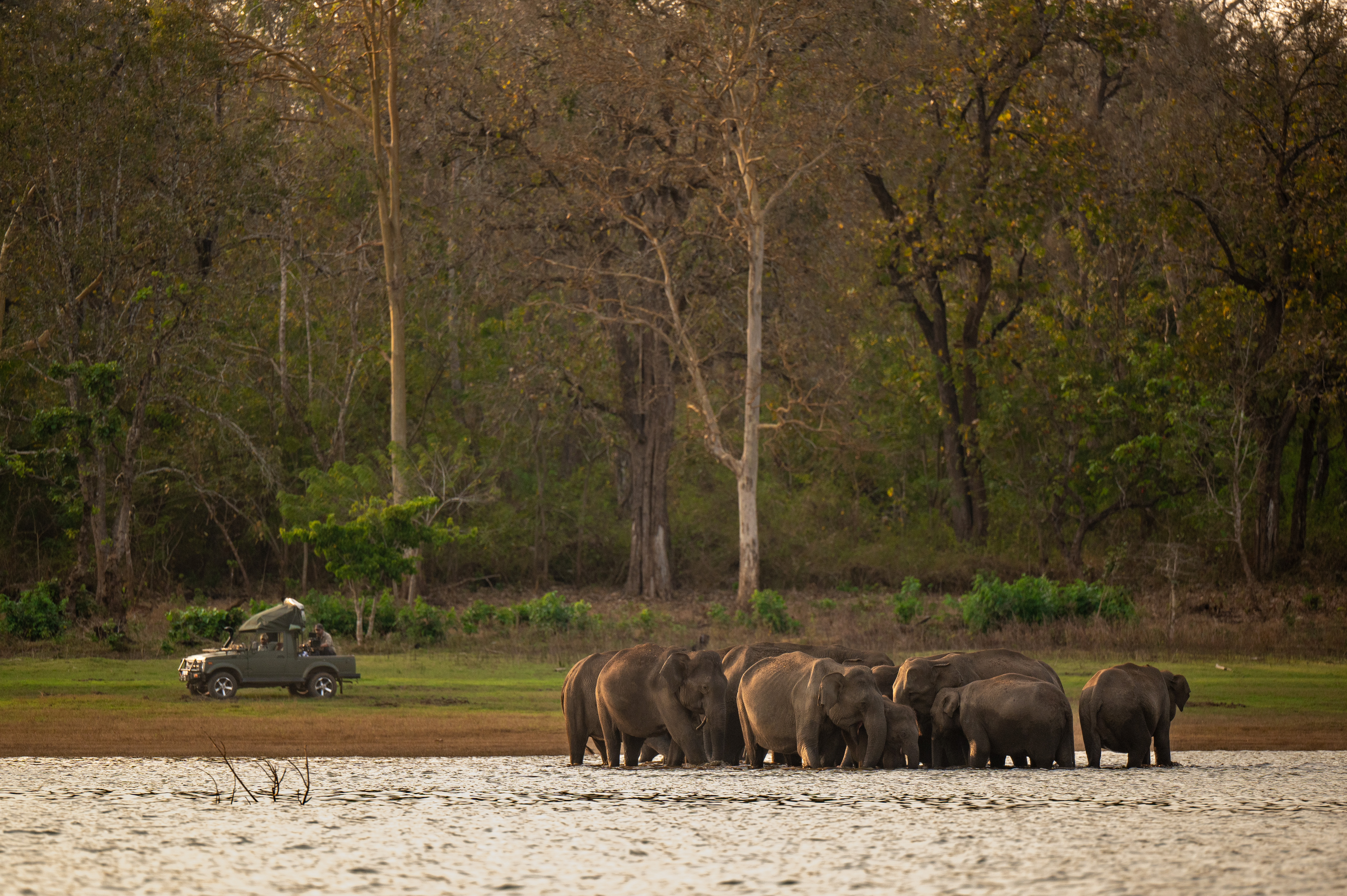
In 2004, I left my job and stepped into the world of wildlife photography. No roadmap. What I had was curiosity — and a need to spend serious time in the natural world. My early years were spent in the forests of the Biligiriranga Hills in Karnataka, learning not just photography, but patience. Observation. How to read a landscape. How to follow a story that doesn't announce itself.
Nature reveals itself slowly. I had to learn to slow down with it.
Coming from open-source, I found it strange how closed the world of nature photography often was. Knowledge was guarded. Access was limited. Communities were fragmented. That didn't sit right with me.
So I began sharing — images, information, experiences. Freely.
That instinct led me to help co-found India Nature Watch in 2004, which grew into the largest online community for wildlife photographers in Asia. A few years later, I co-founded Nature inFocus — a festival, portal, photography contest, and production platform built on the belief that storytelling about the natural world should be accessible, collaborative, and alive.
Nature inFocus became something larger than any of us expected: a space where scientists, filmmakers, photographers, and conservationists could find each other, build on each other's work, and together reach a wider public. The philosophy was the same as open source. The medium had just changed.
INK Talk, Jaipur 2011 — Free Art is Profitable
Still photography gave me the discipline to observe. But over time, I found myself drawn to longer narratives — stories that needed time to breathe, landscapes that demanded context, ecosystems too complex for a single frame.
I moved into filmmaking.
Since then, I've worked with the BBC Natural History Unit, Netflix, National Geographic, Discovery, and Disney+, contributing as a cinematographer and director on international productions including Our Planet, Life Story, Big Cats, and Secrets of the Elephants. These projects gave me a front-row education in how the world's best natural history storytelling works.
But they also sharpened something closer to home: a conviction that India's wildlife stories deserved to be told at the same cinematic scale.
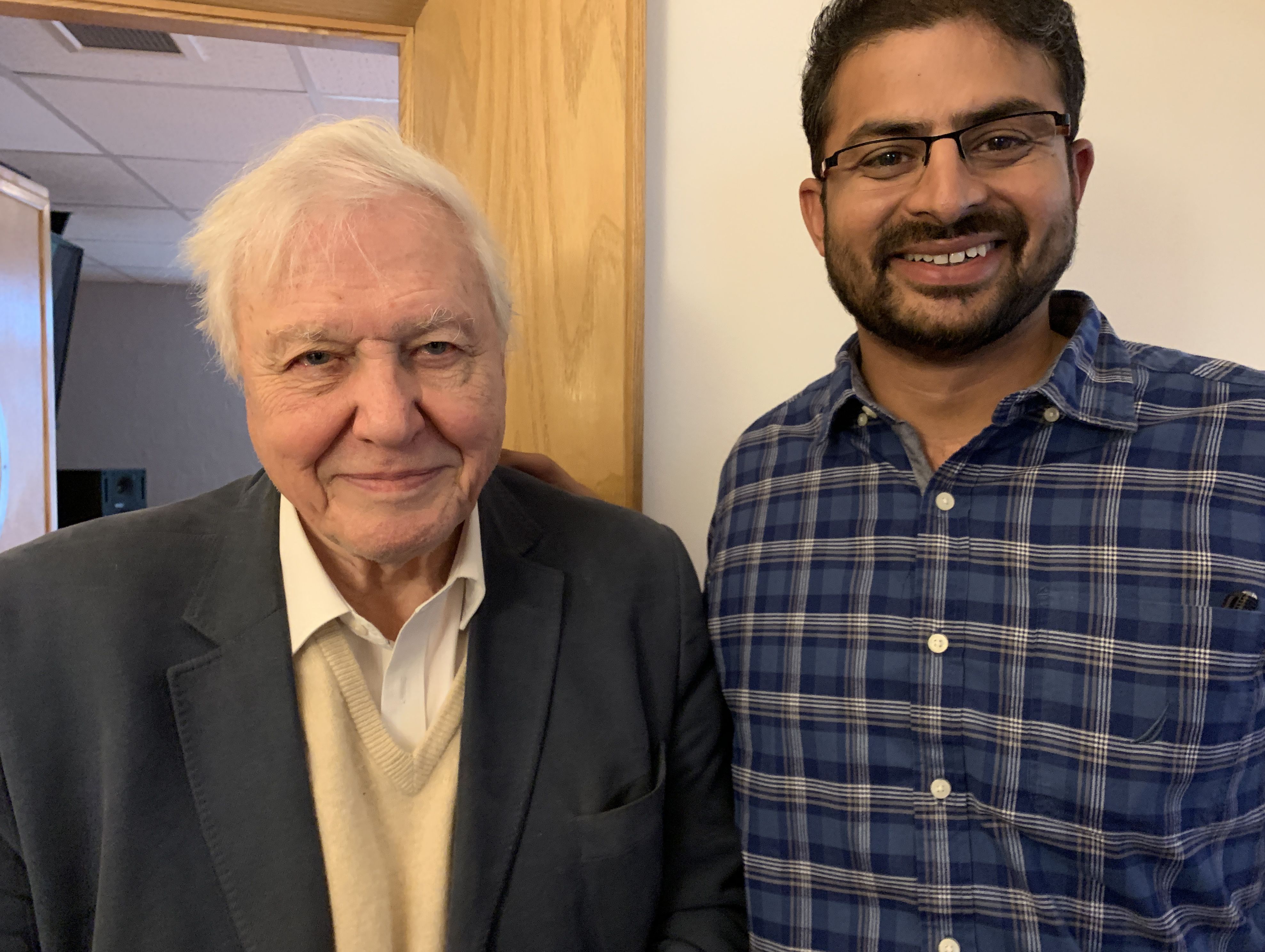
Wild Karnataka (2020) was a statement of that conviction. The first Indian wildlife film released theatrically in cinemas, it features narration by Sir David Attenborough and music by Grammy-winning composer Ricky Kej. Karnataka is extraordinary — home to 20% of the world's tigers and 25% of India's elephant population — and the film makes the case that this landscape is worthy of the global stage. It won the National Film Award in 2021.
Wild Tamil Nadu (2025) continued that effort, drawing on ancient Sangam literature to frame the state's five ecological zones — mountain, forest, cropland, arid terrain, and coast. Four years in the making, with narration by Arvind Swamy, it documents species rarely captured on film and argues that India's southern landscapes have a story as rich and complex as anywhere on Earth.
These films aren't just about wildlife. They're an argument that India's natural world deserves the depth of storytelling that has long been reserved for Africa or the Arctic.
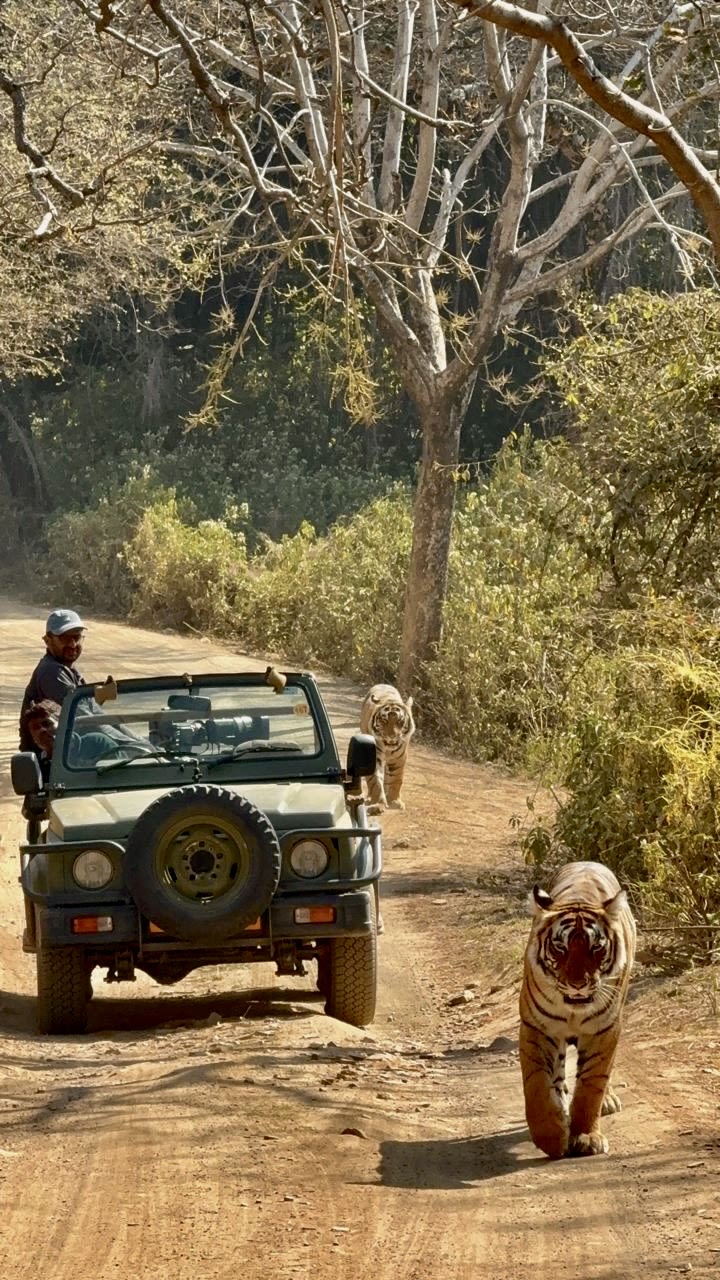
I don't approach conservation as advocacy first. I approach it as curiosity.
Real conservation stories are complex. They involve science, history, politics, economics, local communities, and very long timelines. The stories that matter are not the ones that reassure — they're the ones that illuminate. That show how things came to be the way they are. That ask honest questions about what success actually looks like over decades, not just moments.
India sits at one of the most consequential intersections in the natural world. We have more wild tigers than anywhere else on Earth. More Asian elephants. More species of birds, reptiles, and flowering plants than most countries can imagine. And we have more than a billion people living in close proximity to all of it.
That proximity is not a problem to be managed. It is the story.
The relationship between people and wildlife in India — the tensions, the coexistence, the dependency, the conflict — is one of the defining conservation narratives of our time. I've spent a large part of my career trying to document it with honesty. Not with a predetermined conclusion, but with genuine curiosity about what's actually there. I've worked alongside scientists and field researchers from organisations like the Nature Conservation Foundation, IFAW, the Elephant Family, and the Snow Leopard Trust. That collaboration has fundamentally shaped how I think. Science gives you the questions. Story gives them weight.
A good wildlife film is not a collection of dramatic moments. It is an invitation to pay attention.
The images I'm proudest of are not the most spectacular. They're the ones that ask the viewer to stay a little longer, look a little deeper. A still frame — or a held shot — that rewards patience. A sequence that builds meaning slowly, the way ecosystems themselves build meaning.
Photography taught me restraint. You learn to wait for light. To simplify. To recognise when a moment has meaning and when it doesn't. That discipline has stayed with me through filmmaking. I still think in terms of frames, texture, rhythm, and silence.
Emotion in wildlife film is earned through context, not manufactured through music or editing tricks. The natural world offers enough drama, enough tenderness, enough strangeness — if you're willing to slow down enough to see it.
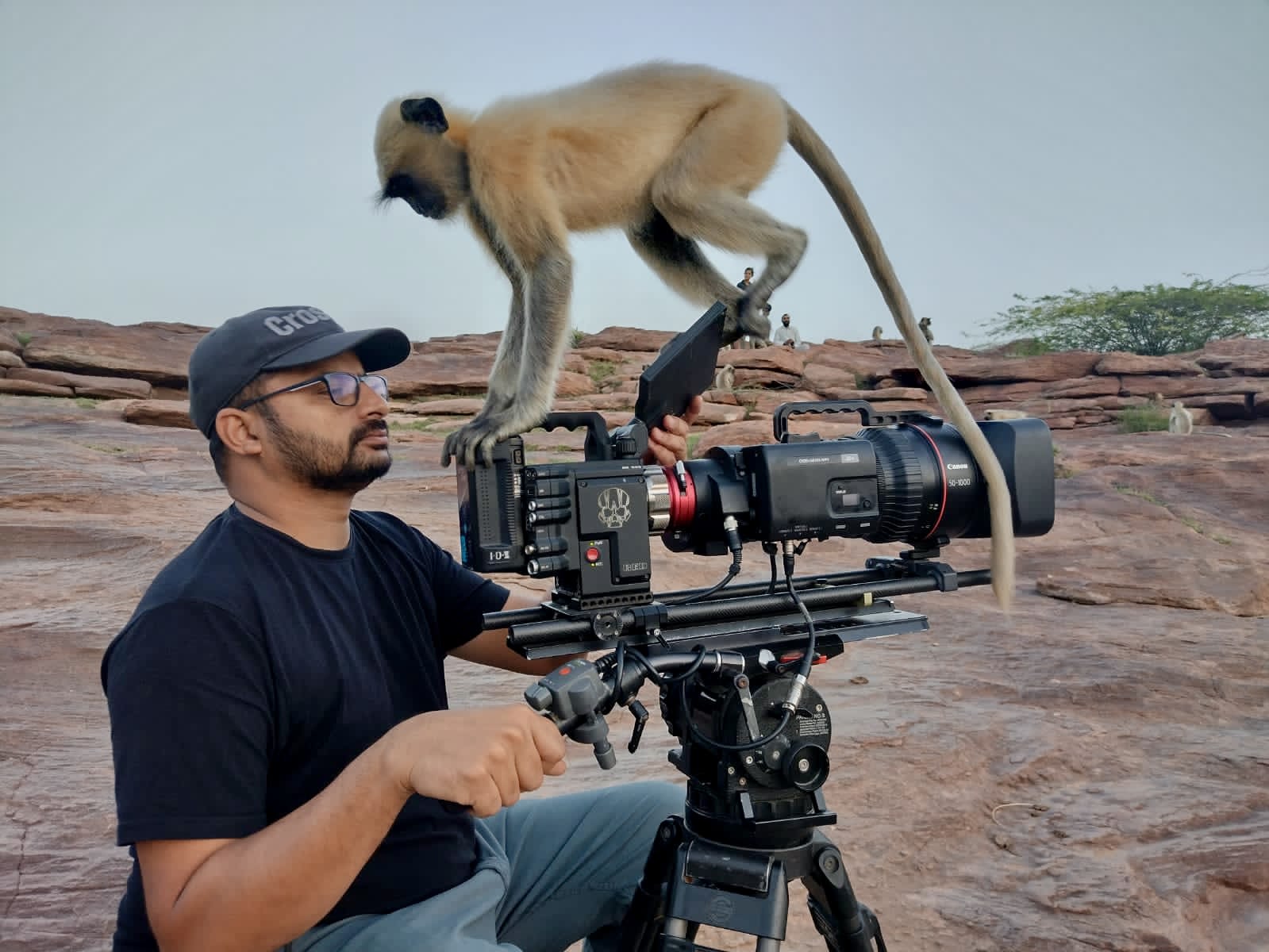
The thread that connects everything I've done is simple: knowledge should be shared, access should be expanded, and communities matter.
I moved from open-source code to open storytelling. The philosophy is the same.
After more than twenty years in the field, I'm still learning. Landscapes change, technology evolves, storytelling keeps shifting. The emergence of new tools and new platforms means we're at an interesting moment for natural history film — one where the barriers to telling these stories are lower, but the standards for telling them well need to be higher.
What remains constant is curiosity. And a deep respect for the natural world.
Awards have never been the goal — though the Emmy nomination, the National Film Award, and the BBC Wildlife Photographer of the Year recognition matter as markers of what's possible. The goal has always been impact. Changing how someone sees a forest. Making them notice something they would have walked past.
Making them care.
That's enough to keep going.