Original Films
By Kalyan Varma
By Kalyan Varma
These films are deeply personal projects. Each one represents years of fieldwork, collaboration, risk, and belief in the power of cinema to shape how we see the natural world. While they differ in scale and geography, they're united by a shared intent: to tell Indian wildlife stories with honesty, ambition, and cinematic depth.
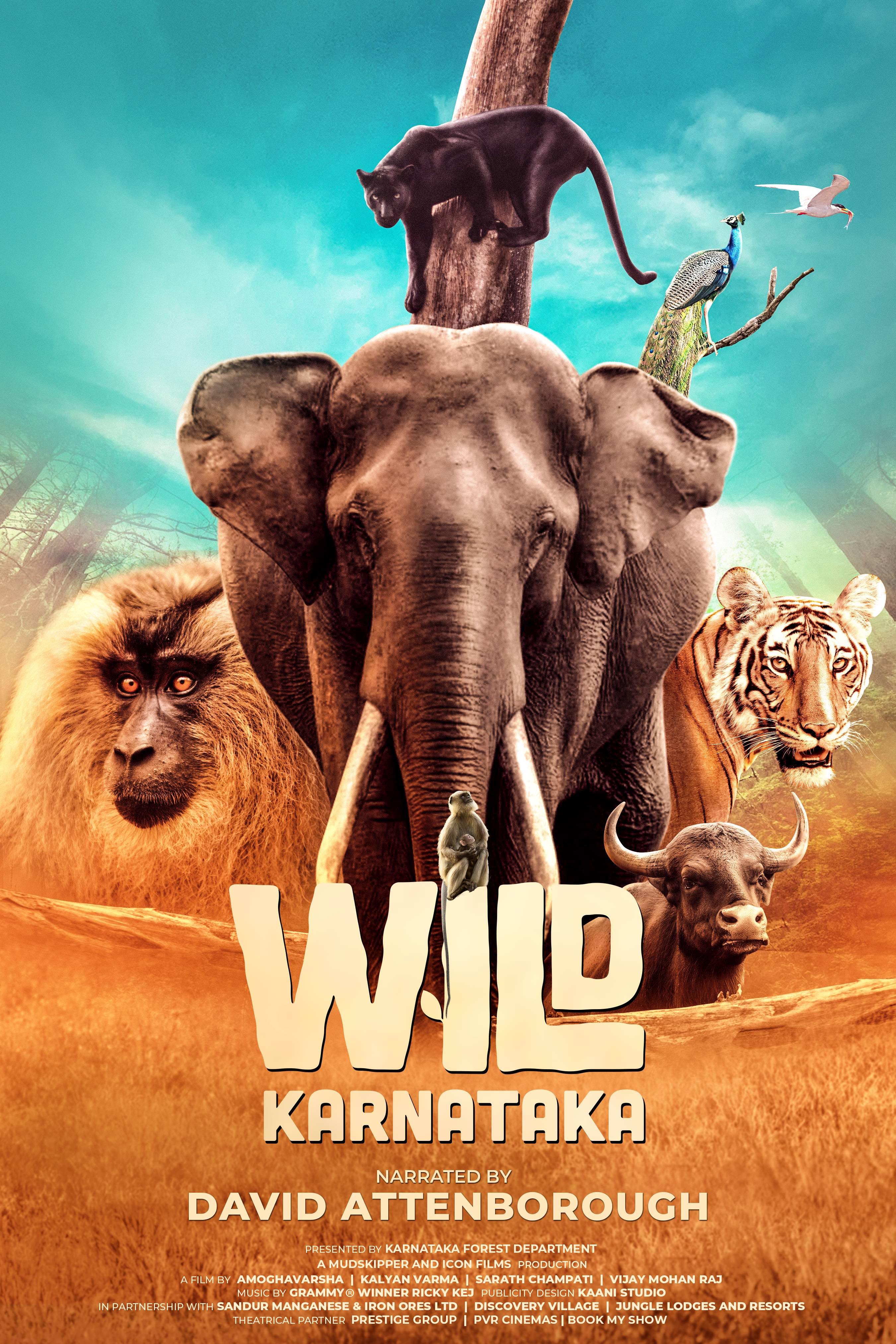
Wild Karnataka began as an experiment in ambition. The question was not whether India had stories worth telling, but whether a wildlife film grounded in science and ecology could command the scale, craft, and cinematic confidence of the world's best natural history films — and do so for a mainstream theatrical audience.
Conceived as India's first 4K blue-chip wildlife feature, the film set out to present Karnataka as a single, interconnected ecological system. From rainforests and grasslands to dry forests and coastlines, the challenge was to move beyond individual species and create a sweeping narrative that revealed how these landscapes breathe together.
The film was narrated by Sir David Attenborough, whose voice brought global resonance to a distinctly Indian natural history story. Technically, the project demanded a new level of precision and endurance — constantly adapting to changing light, climate, and animal behaviour across vastly different habitats.
Wild Karnataka demonstrated that Indian wildlife cinema could stand confidently on the world stage without compromise, and that large-scale theatrical releases could still honour ecological truth.
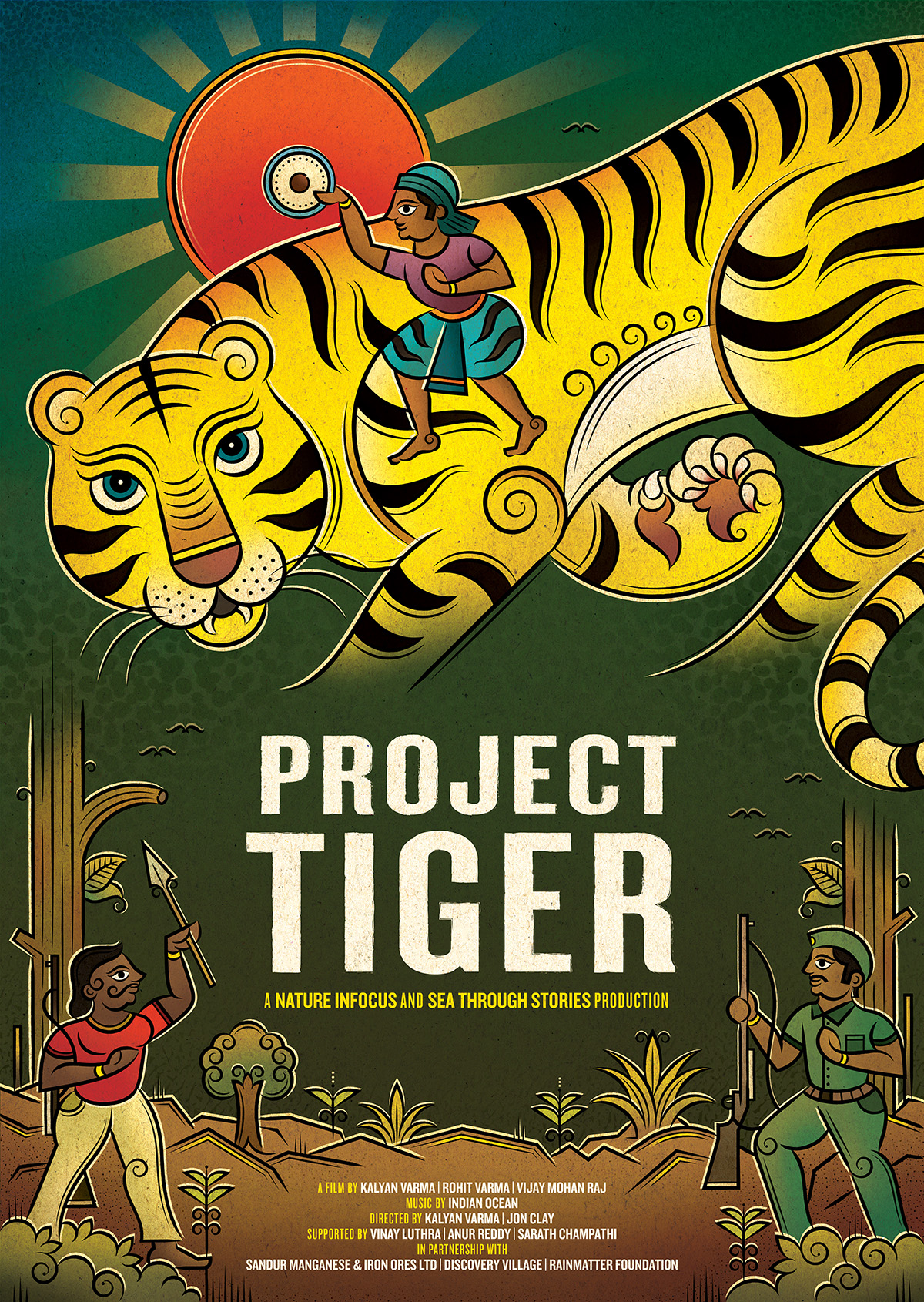
The Project Tiger film emerged from a desire to look beyond the familiar image of the tiger and examine the conservation framework that has sustained the species for over five decades. The ideology here was context over celebration.
Tigers do not survive in isolation. Their future is tied to forests, prey species, scientific monitoring, policy decisions, the often-invisible work of forest staff on the ground, and the local communities who most often pay the price of conservation.
The film attempts to bring these layers together, showing conservation as a living, evolving process rather than a static success story. Understanding Project Tiger meant looking backward — through archives, historical records, and decades of environmental decision-making.
On a personal level, this film reaffirmed why conservation storytelling matters: it's not about messaging alone, but about trust — trusting the audience to engage with complexity, and trusting the story to unfold without forcing conclusions.
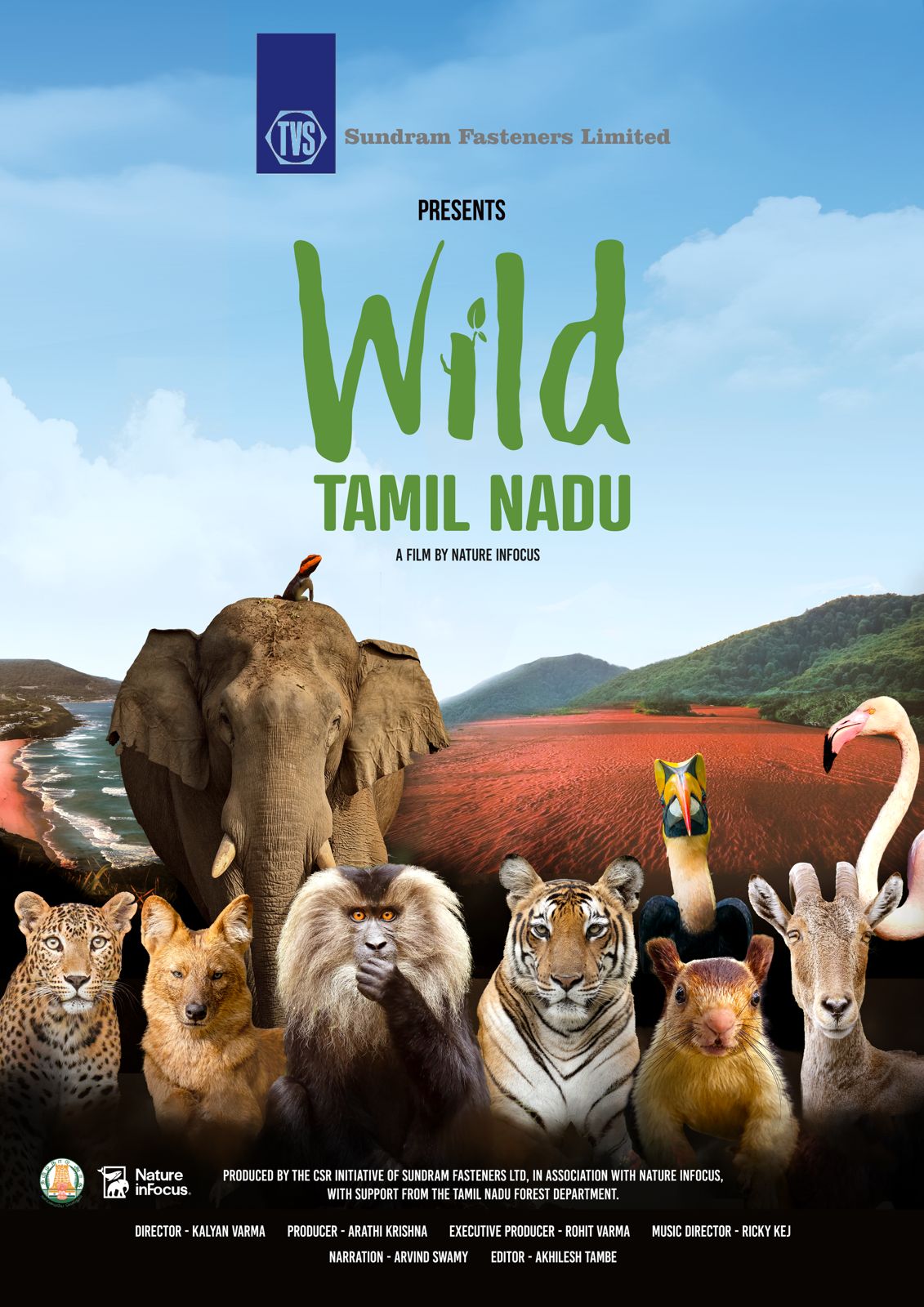
Wild Tamil Nadu is perhaps my most intimate film to date. The idea was to explore biodiversity through a cultural lens, using the ancient Tamil understanding of landscapes — mountains, forests, farmlands, coasts, wetlands, and arid zones — as the narrative backbone.
The ideology behind the film was integration. Nature here is not separate from people, language, or memory. By drawing from Sangam literature and regional identity, the film places wildlife within a continuum of culture and ecology, rather than treating it as something distant or isolated.
Technically, the film was demanding in its range. From marine ecosystems to hill forests, each landscape required a different visual grammar. The challenge was consistency — ensuring that despite the diversity of habitats, the film retained a unified cinematic tone.
This project reflects how I see natural history filmmaking evolving in India: rooted, reflective, and confident in its own voice.